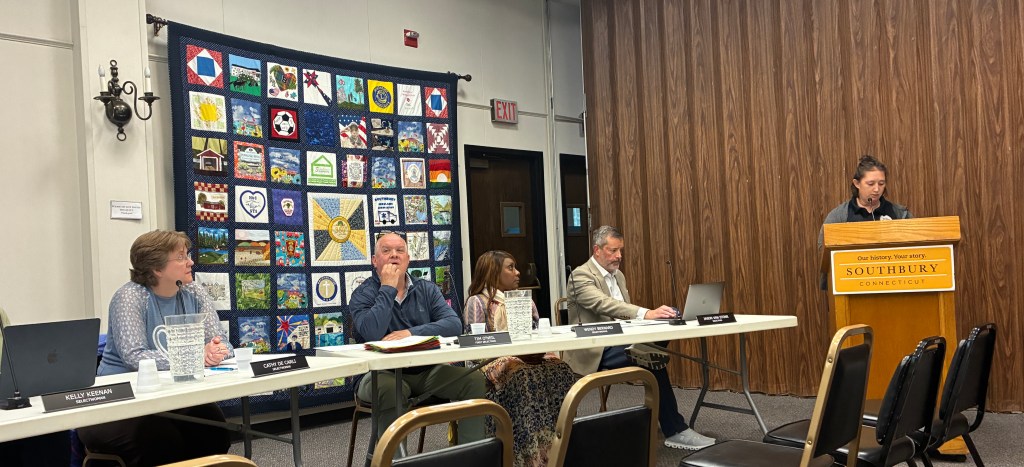
The Town of Southbury became the second municipality in Connecticut to ban the use of rodenticide on town property, following a Board of Selectmen vote at their meeting on Thursday, May 21.
The board heard remarks from Lisa Shirk, the vice president of Newtown’s Conservation Commission, outlining the harm that toxic rat and mouse poisons known as second-generation anticoagulant rodenticides (SGARs) have on wildlife.
The Town of Newtown became the first municipality in the state to ban the use of rodenticides on town land last month.
Southbury followed suit, by a 5-0-1 vote, effectively codifying a decision that the town made earlier this year to stop using SGARs to control the rodent population. Town officials had already halted the use of SGARs, but Thursday’s vote formally established the prohibition in town policy.
Southbury’s Animal Control Officer, Kristin Cedor, said that other towns in the area are mulling the decision and would like to see Southbury help lead the way. Birds of prey and household pets can become the unintended victims if they consume poisoned rodents.
In 2023, two spider monkeys at Beardsley Zoo in Bridgeport died after eating a partially poisoned mouse.
“It’s not a humane way to die for any animal,” Cedor said.
While the board generally agreed that the spirit of the proposed ban came with good intentions, there was a lengthy discussion about the process by which the board sets policies for the town.
First Selectman Tim O’Neil said that he doesn’t see a downside to banning the rodenticide, saying it would be nice to set an example like Newtown did.
Selectman Holly Sullivan said that she would have preferred to be presented with more information before moving forward with the ban. She asked the board to consider giving more time to the proposed ban, questioning whether the board had adequate information and time to fully understand the scope of the process and the affected departments in town.
“I lost a cat to rodenticide and it was a really heartbreaking thing to learn that a mouse probably got into our house years and years ago and [suffered] a horrible death,” said Sullivan. “It’s not about that. I want to know that this board is doing our job to protect what we build here in the Town of Southbury and that we have proper avenues.”
As written, the ban would give the Housatonic Valley Health Department the ability to grant an emergency waiver for the use of rodenticide in the case of a “significant rodent infestation” where viable, less-toxic remedies have already been exhausted. Selectman Sullivan said she would like to have more in-depth conversations about setting policy and precedents.
“Quite frankly, it’s not about rodenticides, it’s about this board,” said Sullivan. “Maybe it’s just me, but I just feel like this is a copy and paste, and we’re not thinking of the real-world impact of this board and what we’re elected to do.”
In the board’s vote on the ban, Sullivan cast the lone abstaining vote.
The board briefly discussed possible alternatives, including non-lethal fertility control methods that restrict reproduction, but no action was taken to codify their use around town buildings.
Last year, the Town of Fairfield launched a pilot program to use a non-lethal contraceptive method to hinder the overall rodent population.
Christine Cummings, of the Killingworth-based nonprofit A Place Called Hope, will be giving a presentation on this topic at Southbury Town Hall on June 17, from 2-4 p.m.
Selectman Jason Van Stone voted in favor of the ban, while also requesting that the board take up discussions on whatever is ultimately used instead of the rodenticide poison.
“I’m okay with this policy and ban,” said Van Stone. “But I think more discussion would then have to be done on whatever we’re looking at next. If we’re just going to introduce a different chemical later, I think that should come back to this board.”
By Evan Triantafilidis