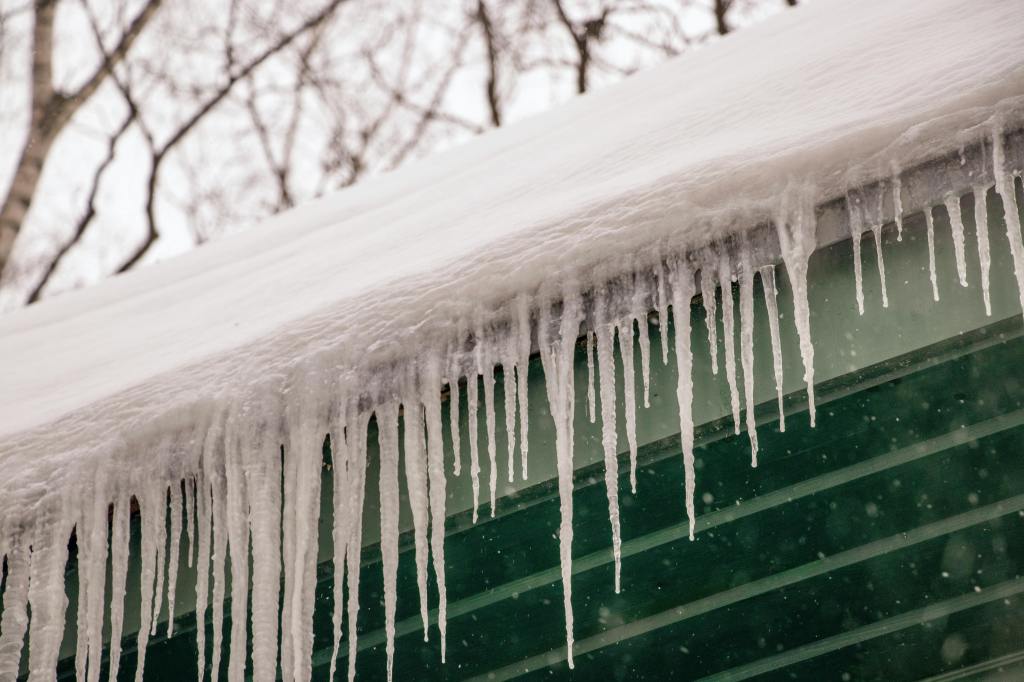
Believe it or not, this frigid, snowy winter is probably caused by our warming of the planet. How does making the Earth warmer lead to winters like this?
Atmospheric scientists say that on a typical winter day, the Arctic air that has frozen much of the U.S. should be a few thousand miles to the north, sitting atop the North Pole.
But as man-made climate change continues to disrupt global weather patterns, that mass of cold air, known as the polar vortex, instead of being strong and circular over the North Pole, becomes weak, elongated, or split, creating cold spells farther south.
One cause of this is melting sea ice. Less ice means the difference in temperature between the Arctic and areas farther south is not as large, which has the effect of weakening the westward winds of the jet stream that normally keeps the polar vortex where it should be.
Elsewhere in the world, extreme heat is raging. Australia is suffering a record heat wave that has pushed temperatures past 120 degrees in some areas, leading to fires and power outages. In central Africa, brutal heat has shattered records. Even countries north of the Equator are experiencing temperatures above 101 degrees.
Colder colds. Hotter hots. These are the intense bouts of extreme weather that scientists for decades warned would become more common as we continue to burn fossil fuels and mess with our very sensitive, complex climate.
— Tom Crider
Southbury, CT
Instructions for LTE submissions are here: How to Submit a Letter to the Editor


 The Southbury Record