By Alivia Stonier
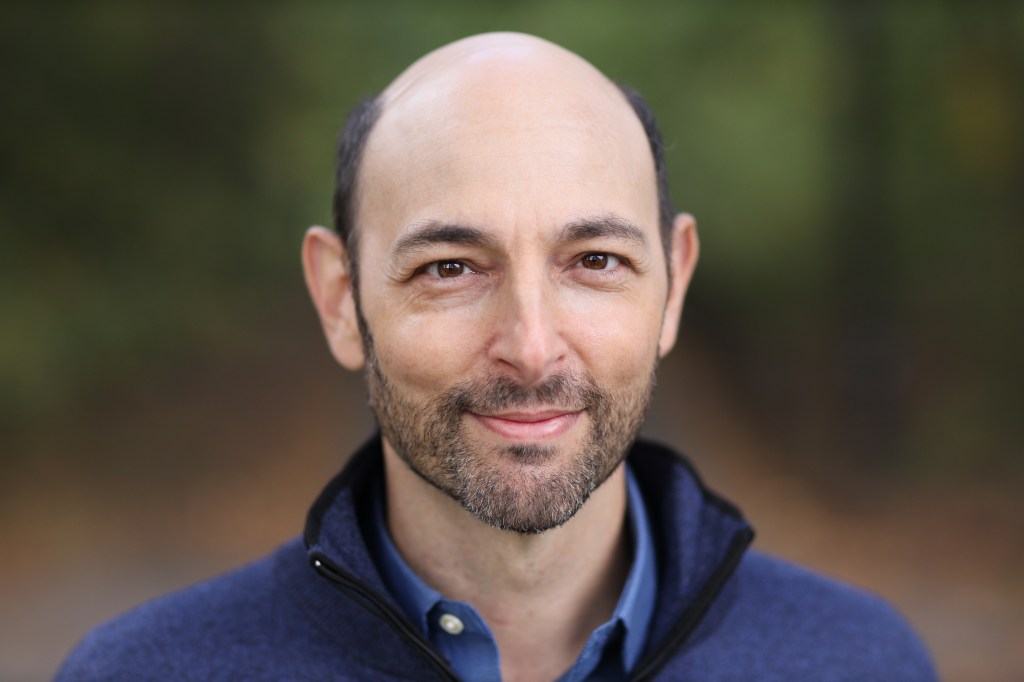
Matthew LaBanca made headlines in 2021 after the Catholic school music teacher was fired for marrying his husband.
The Queens-based educator said the dismissal ripped him from a community of students that he loved to teach. In response, he turned to the very arts that inspired him.
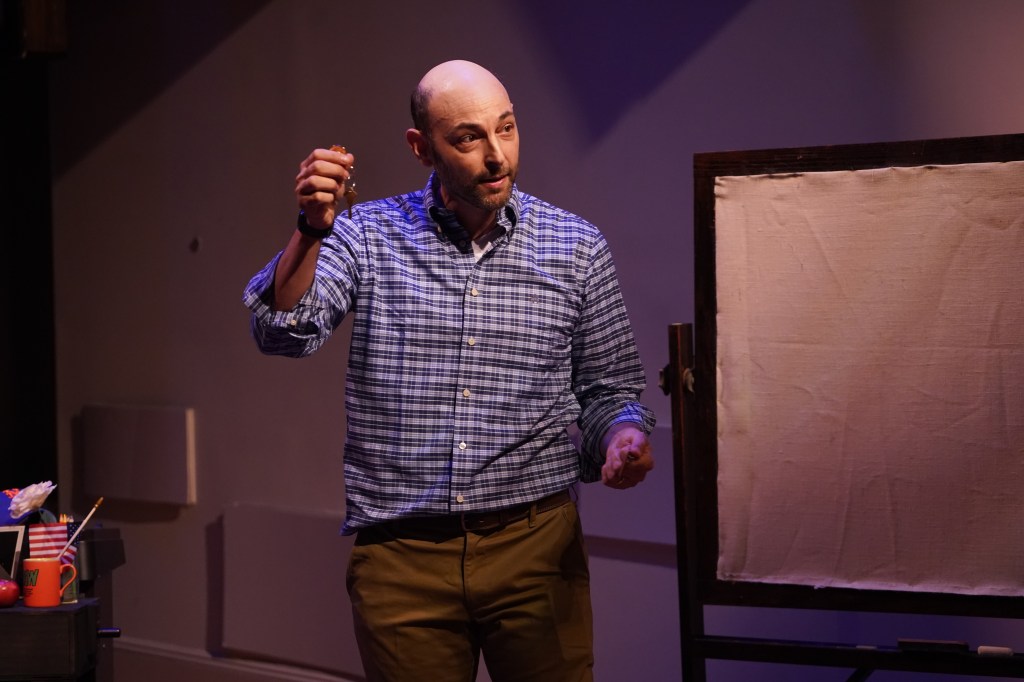
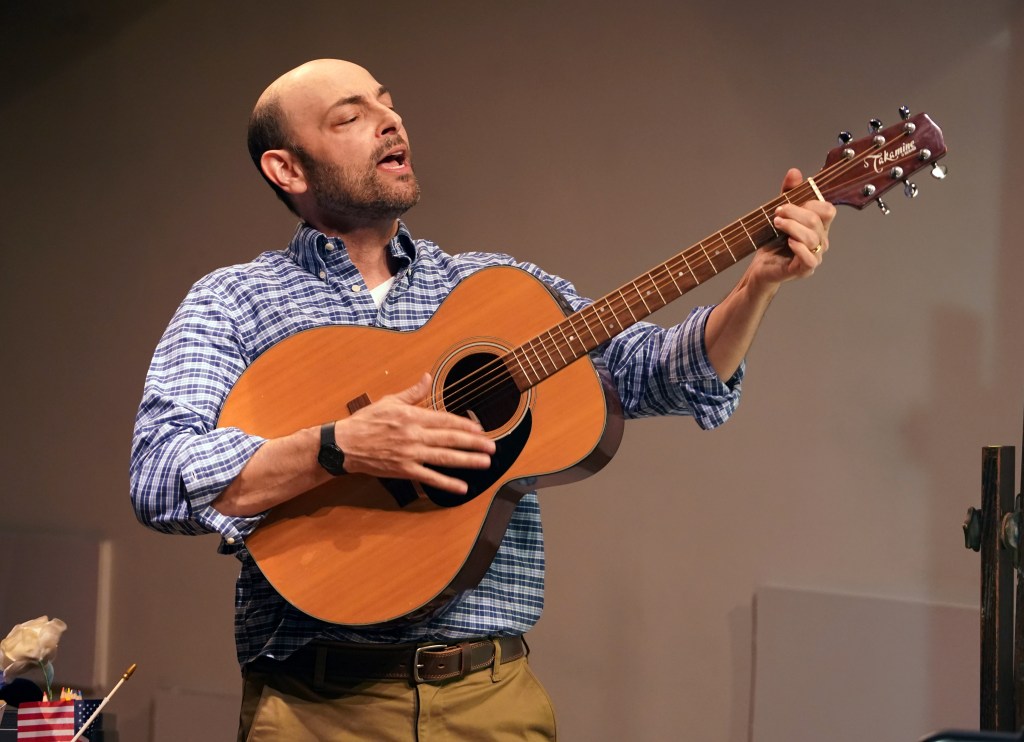
What grew from that upheaval was LaBanca’s one-man theatrical show, ‘Communion‘. The show tells his story in an off-Broadway setting and, after years of performances, has now been transformed into a film adaptation.
The Connecticut native and UConn alum will be returning to his home state on Saturday, April 25, at 7:00 p.m. for an exclusive screening at Trinity Episcopal Church in Newtown.
Originally from New Fairfield, LaBanca says his story didn’t end with his firing, but rather began his journey of healing through art.
“So often, this is the subject of an academic debate, a conversation: you make your point, and I’ll make a better point on either side,” LaBanca told The Record. “Communion is more about sharing the emotional struggle that an individual goes through. This isn’t a debate for me. It was my life and my career.”
In the aftermath of the situation, LaBanca recalls an emotional struggle, ostracized from a community where he played organ at his church on the weekends and was a music teacher at a local school during the week.
He initially contacted an attorney about the situation, but later decided that performance art would be the medium to express his desire for justice and to move the story forward to benefit others.
A complaint was filed with the Equal Employment Opportunity Commission, but the claim was dropped by his legal team, LaBanca says, citing concerns with how it might fare in the current legal climate. LaBanca also turned down the opportunity to sign a non-disclosure agreement, allowing him to openly share his story.
“As important as it is to want inclusivity, I think religious freedom is so important for people,” said LaBanca. “Your right to swing your fist ends where my face begins. If your religious policy is going to cause harm to another individual, whether you’re talking about employment or otherwise, then I think that deserves serious consideration.”
For LaBanca, the experience prompted a deeper reckoning, rather than a legal one.
He further explains the solo show’s mission: “It’s less about going to the courts or going to the law books and saying, ‘Fix this’ and more about going within… And why is there such shame? Why is there such internalized homophobia? Why does there need to be?”
He added, “You can say that’s just the church policy. Oh, that’s just the Bible. [But] church policy has changed over the centuries. There used to be laws about divorce. There were laws about validation ceremonies. There were different things. Now, granted, it took centuries and millennia for some of these things to change, but they did change. If you’re going to cite the Bible, then why are there some biblically based faiths that allow for it?”
That realization fueled him.
What started with a script reading turned into a preliminary production, and then a premiere in New York City.
“In life and at every chapter, people from this community have come to see it,” said LaBanca. “Especially when it was live the very first time with the developmental production, a lot of people came because it was their life too that was turned upside down, not just mine.”
With the advice of a colleague and Broadway producer, the idea of the film adaptation came to life. He recalls her words of encouragement: “There are a lot of people who would want to see this, but would not want to be seen in a theater seeing it.”
The film adaptation will be brought to audiences around the country this year, allowing the story to have a life beyond the off-Broadway run.
Today, the Connecticut native says he’s in a better place to allow his story to be less about his own healing and more about impacting people who may have experienced something similar.
LaBanca’s experience reflects a broader reality: According to the Williams Institute at the UCLA School of Law, an estimated 5.3 million LGBTQ+ adults in the United States are religious, representing nearly half (46.7%) of the LGBTQ+ population, despite a difficult relationship between sexuality and religion for many members of the community.
LaBanca spoke to why the production is uniquely important for the local community that he grew up around and has family connections to.
“Reverend Andrea [Castner Wyatt] told me about the pride flag at their church, and that it was the first church and first business on that main strip in Newtown to fly a flag,” he said, referring to the local Trinity Episcopal Church, which sits at the center of town.
The upcoming screening and Connecticut premiere, LaBanca says, is an invitation for those who may have a similar story, or those who are questioning their place in the world.
“My story really is a coming-of-age story exploring how I wanted to tackle this obstacle in my life and move through it and where I am to this point today,” said LaBanca.
The free film screening will take place at Trinity Episcopal Church (36 Main Street) in Newtown, CT at 7:00 p.m. A reception will follow the screening.


 The Southbury Record